

-
 Dec 27 , 2025
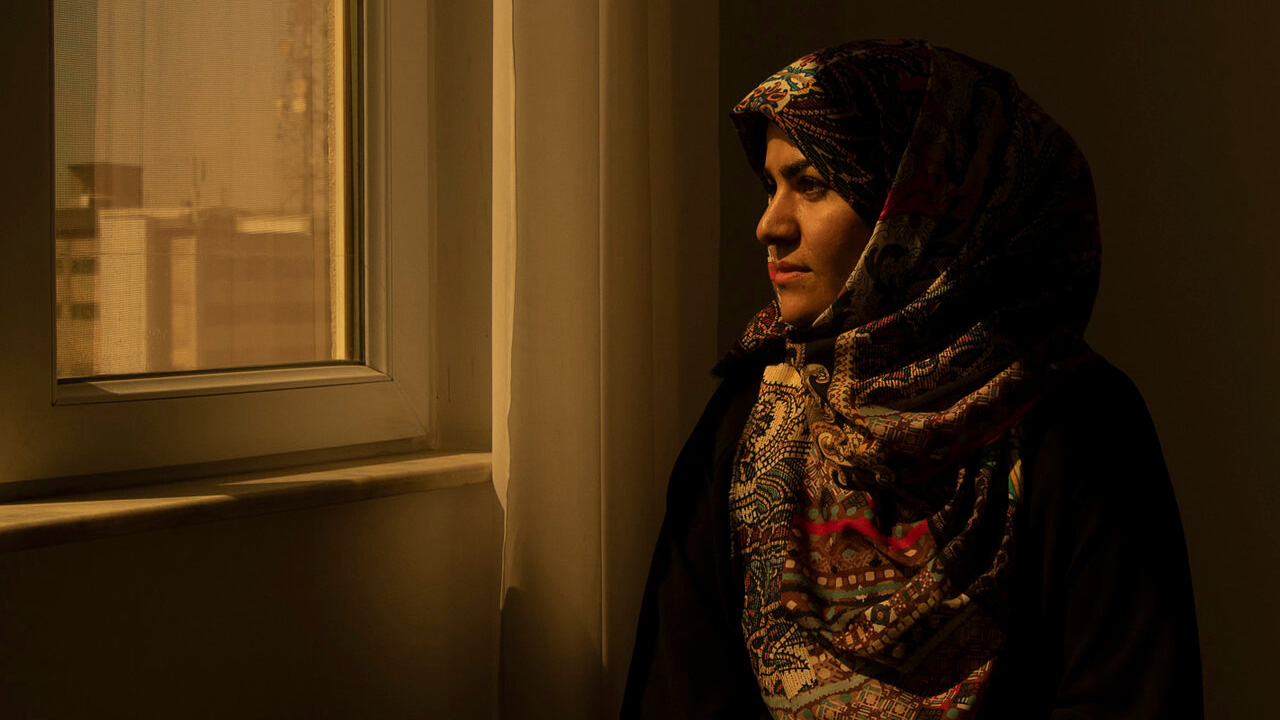
The Story of Kohzada
Kohzada is a women's rights activist and former teacher from Kapisa province in Afghanistan, born in the mid-1990s. She was a young child during the Taliban's first rule in the late 1990s, witnessing the burning of schools, the torture of her father, and the severe restrictions that forced her family to flee between villages and provinces.
These experiences disrupted her early education, but after the Taliban's fall in 2001, she was able to complete high school and university, becoming one of the last generations of Afghan women to access higher education before the current bans.
For nearly a decade, Kohzada worked with foreign NGOs and development projects, later teaching at private schools, including Kardan school in Kabul. With the Taliban's return to power in August 2021, she lost her job and saw women's rights rapidly eroded. Reviving childhood nightmares of oppression, she joined the spontaneous women's protest movement, organizing and participating in some of the largest demonstrations against Taliban rule in Kabul and other provinces.
Kohzada participated in peaceful street protests demanding women's rights to education, work, and freedom. These small gatherings—often around 50 women—were met with increasing violence from Taliban forces, including beatings, tear gas, and gunfire. As arrests of fellow activists escalated, including prominent protester Tamana Paryani in early 2022, Kohzada became a top target. She used safe houses and code names for communication, but her visible role in the movement led to her identification.
In early 2022, Taliban forces raided a safe house where Kohzada and other protesters were hiding. Dozens of armed fighters, supported by military vehicles, stormed the location. Kohzada was arrested along with her young children (aged 3 and 7 at the time). She endured severe physical violence during protests and arrest, including beatings. In detention, conditions were inhumane: prolonged isolation, poor health impacts on her children, and dangerous confinement. The family faced ongoing threats and abuse over approximately 16 days in custody.
No formal charges were presented, and there was no access to lawyers or fair hearings. Interrogations focused on forcing confessions and extracting information about other activists. Kohzada resisted demands related to her phone and activities, facing threats against her children. The process was entirely arbitrary, conducted by Taliban forces without independent oversight or evidence presented in any judicial setting.
Key human rights violations she experienced:
- Severe physical violence and cruel treatment: Beatings during protests and arrest; torture reported in detention, contributing to lasting trauma.
- Gender-based abuse and threats: Protests suppressed with targeted violence against women; detention with young children as leverage.
- Discrimination based on gender: Arrest solely for protesting as a woman against restrictions amounting to systemic oppression.
- Inhuman detention conditions: Overcrowded or isolated holding with inadequate care, severely affecting children’s health; constant surveillance and fear, even post-release.
- Complete absence of due process: Arbitrary arrest, no legal counsel, forced pledges for release.
After about 16 days, Kohzada and her children were released following guarantees from relatives, including confiscation of property deeds and pledges to cease protesting. Continued threats of re-arrest forced her to go into hiding. Fearing for her safety, she fled Afghanistan in 2022 (sources vary between March and May), initially with only her son due to passport limitations, later reuniting with her family. As of December 2025, she lives in exile, continuing advocacy against what she terms the "criminalization of gender" and "gender apartheid."
Kohzada's story highlights the profound courage of Afghan women resisting systemic erasure of their rights, and the enduring cost of defiance under Taliban rule. In exile, she remains a vocal advocate, underscoring the need for international accountability and support for Afghan women and girls.