


-
 Dec 31 , 2025
Angeza’s Story
Angeza is a university-educated journalist and women’s rights defender from Kabul. She graduated in Communications and Journalism from Kabul University in 2022, having completed her studies despite the Taliban’s takeover. Alongside her work with a private media outlet, she co-founded a movement documenting human rights violations and the targeted persecution of the Hazara community, including attacks, injuries, and killings. She actively encouraged women, particularly in West Kabul, to protest against Taliban restrictions and also raised awareness about gender apartheid and ethnic discrimination.
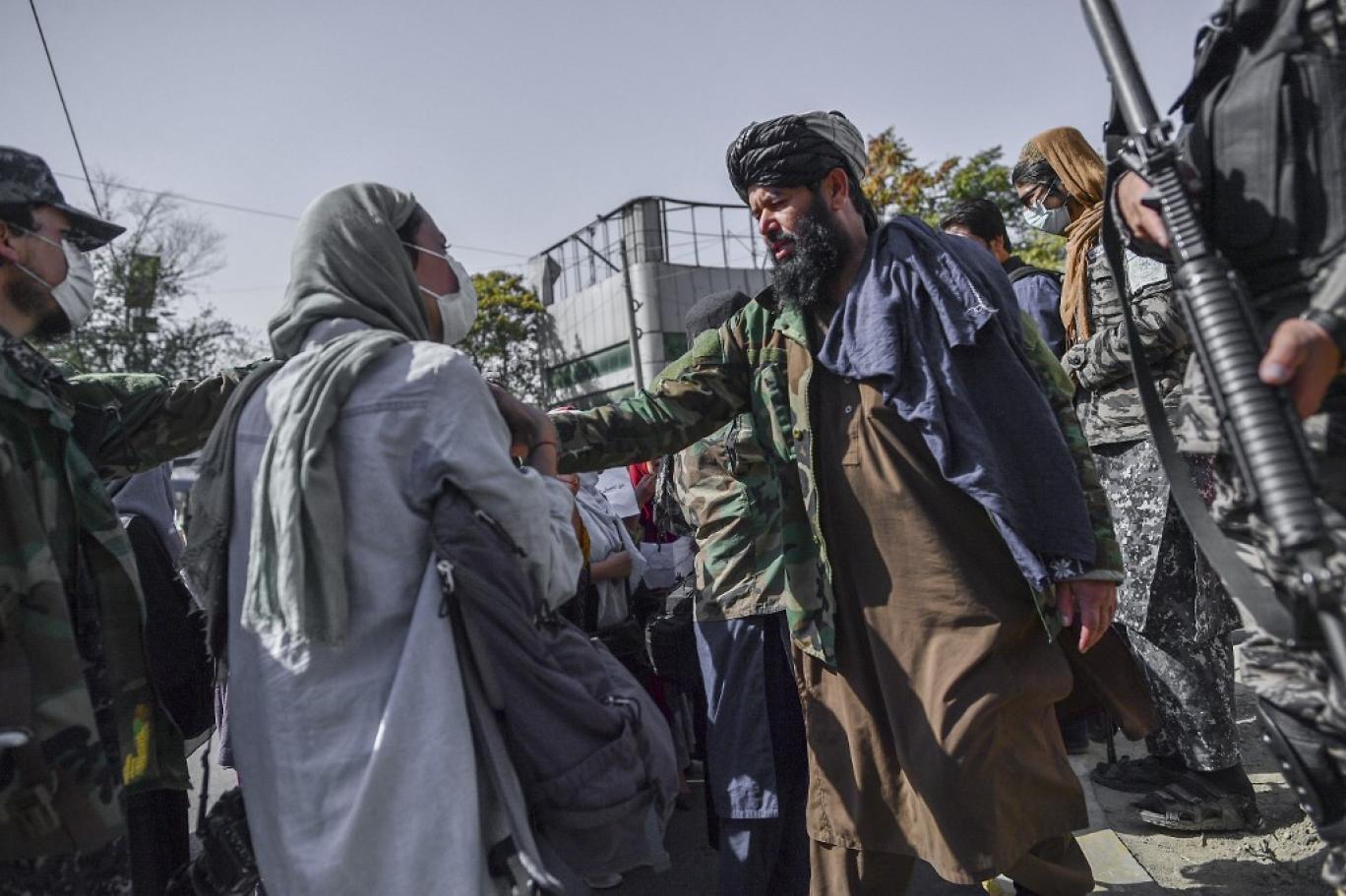
Angeza was arrested for her peaceful activism, including organizing women’s protests and publishing reports on human rights abuses against Hazaras. On the day of her arrest in mid-November 2023, she was en route to an indoor protest she had coordinated, carrying banners and slogans. Taliban authorities accused her of spreading “propaganda” about the Hazara genocide, inciting protests against the regime, and fueling instability through her journalism and advocacy.
Taliban forces, who had been following and threatening her for months, ambushed Angeza near her home. Armed men threw a heavy blanket (“patu”) over her head, beat her in the alley, and forcibly dragged her into a vehicle. No arrest warrant was presented, and no female officers were present. She was held for 41 days, mostly in solitary confinement across multiple secret facilities: dark, damp, underground-like rooms with low ceilings, no bedding, and filthy conditions. Food was sporadic: dry bread and water, often withheld for days. She endured extreme cold, isolation, and constant fear.
No formal charges were filed, no lawyer was permitted, and no trial occurred. Interrogations involved relentless accusations of foreign funding, anti-regime activity, and propaganda. Angeza was denied any opportunity to defend herself-speaking triggered more beatings. Authorities recorded sessions and twice forced her to memorize and recite scripted “confessions” on video, admitting she had been “deceived” and seeking forgiveness from the Taliban leader. Transfers between facilities happened blindfolded at night, preventing her from identifying locations or authorities.
The following human rights violations were reported by her:
- Brutal physical torture: repeated beatings, kicks, suffocation with plastic bags, suspension by hands from the ceiling, and dousing with cold water, causing lasting neck and back injuries.
- Sexualized and gender-based verbal abuse: called “prostitute,” accused of immorality, and subjected to inappropriate touching and humiliating threats.
- Ethnic and sectarian discrimination: slurred as “Hazara rat-eater,” “Rafidi” (derogatory for Shia), and “kafir”; forced to recite the Islamic declaration of faith while being mocked for her Shia Hazara identity.
- Inhumane conditions: prolonged solitary confinement, starvation, denial of hygiene and warmth.
- Absence of female staff: only one veiled woman appeared briefly at release to inspect for visible injuries and threaten silence.
- Psychological terror: nighttime harassment, forced confessions, and family deception (authorities denied holding her).
After 41 days, Angeza was released following intense family efforts, guarantees from twelve community members trusted by the Taliban, and payment of a substantial “fine.” Authorities warned her against further activism. She fled to Pakistan, where she continues to suffer physical pain and emotional trauma from the ordeal.
Angeza’s harrowing experience in secret detention highlights the Taliban’s use of enforced disappearance, torture, and forced confessions to crush women journalists and ethnic minority activists who document abuses and demand rights. Despite the terror, her resolution to share these stories underscores the unbroken spirit of Afghan women fighting for justice and visibility.