

-
 Dec 24 , 2025
Research Report on Women's Access to Justice
Inside Accounts from Detention: Women's Access to Justice Denied in Taliban-Ruled Afghanistan
Human Rights and Advocacy Committee, FTD-N
March 2025
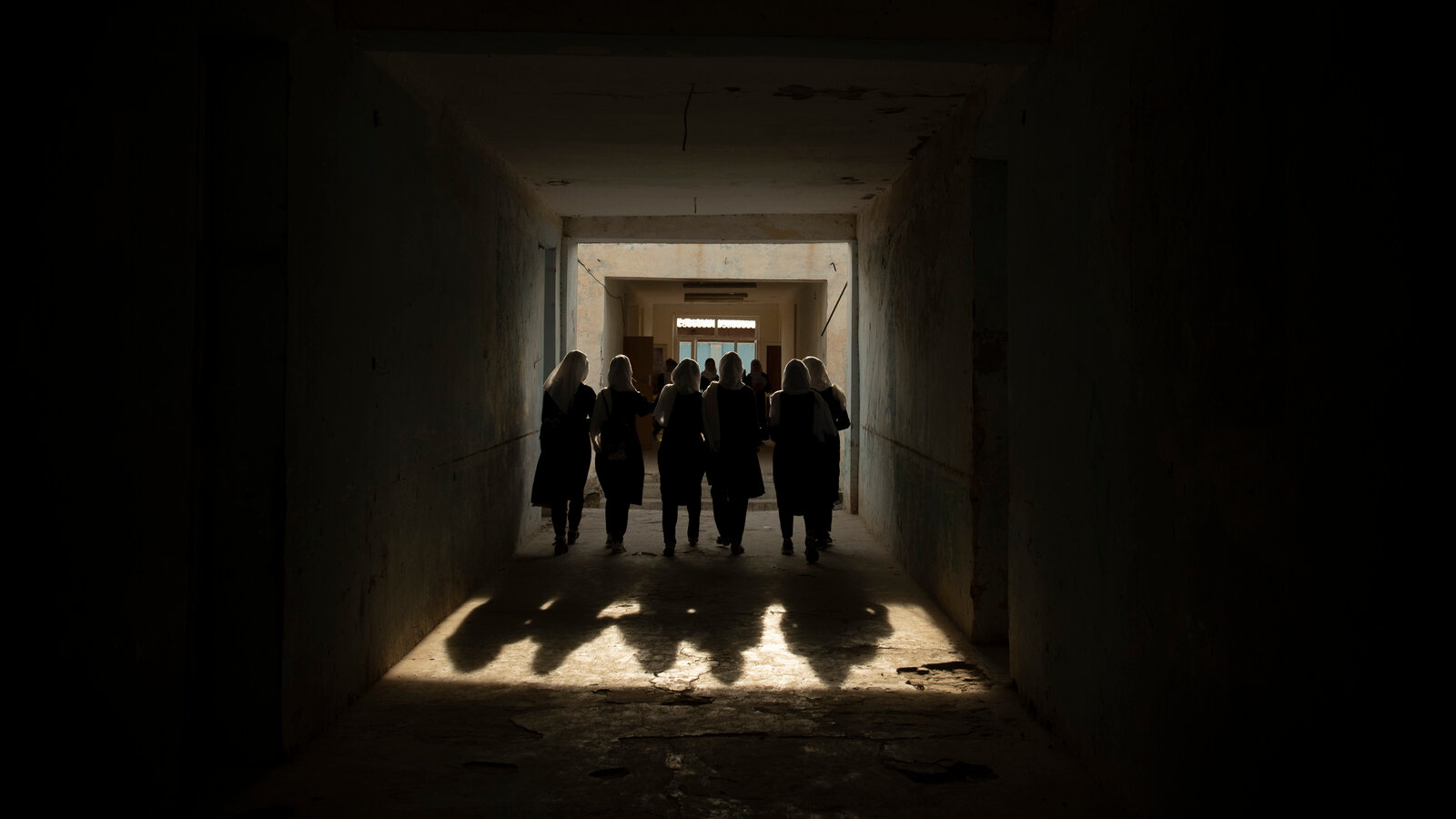
In Taliban-ruled Afghanistan, women face a devastating loss of their rights, trapped in a system meant to silence, oppress, and erase them from public life. This FTDN’s groundbreaking report, based on detailed interviews with Afghan women who survived detention and additional insights from leading human rights experts, reveals the regime's deliberate tactics to suppress dissent through arbitrary arrests, torture, and a biased judiciary.
This is not just a story of individual suffering; it is a stark warning of institutionalized "gender apartheid" that violates international law and endangers entire Afghan communities.
Key Revelations from Survivors' Stories
The report uncovers a pattern of systemic abuses that deprive women, especially activists and ethnic minorities, of basic dignity and justice:
- Broken Justice System: Women are arrested without warrants, denied lawyers, and forced into confessions under duress. Trials are sham proceedings led by unqualified clerics who prioritize ideology over evidence, flipping the presumption of innocence on its head. This contradicts global standards, such as the Universal Declaration of Human Rights (UDHR) and the International Covenant on Civil and Political Rights (ICCPR), which require fair trials for all.
- Horrific Torture and Abuse: Detainees endure beatings, electric shocks, water torture, and prolonged isolation. Many report sexual violence, verbal humiliation, and threats to their families, acts that qualify as torture under the Convention Against Torture (CAT) and could constitute crimes against humanity per the Rome Statute.
- Deep-Rooted Discrimination: Ethnic and religious minority women suffer amplified violence, labeled as "immoral" or "anti-Islamic" to discredit their activism. This breaches the Convention on the Elimination of All Forms of Discrimination Against Women (CEDAW) and the Convention on the Elimination of All Forms of Racial Discrimination (CERD), highlighting how gender intersects with ethnic bias to fuel exclusion.
- Biased Courts and Prisons: The judiciary, dominated by untrained male clerics, lacks any gender sensitivity or female representation. Detention conditions are inhumane, overcrowded cells without hygiene, food, water, or medical care, violating ICCPR rules on humane treatment and creating lasting trauma that ripples through families and society.
These findings paint a picture of a regime that has dismantled Afghanistan's legal framework, replacing it with discriminatory decrees that ban women from education, work, and public roles. Afghanistan remains the only country barring girls from secondary education, a clear violation of human rights treaties.
A Call for Global Action
The Forward Together Development Network (FTD-N) frames these violations within international law, urging accountability for what amounts to widespread attacks on civilians. The report's recommendations provide a roadmap for change:
- Hold the Taliban Accountable: Establish an independent mechanism to investigate and prosecute abuses, bolstering the International Criminal Court's (ICC) efforts and potential cases at the International Court of Justice (ICJ).
- Empower Afghan Women: Fund and support women's organizations in exile, ensuring their voices shape global decisions.
- Deliver Humanitarian Aid: Create programs for health, education, and mental health support; press neighboring countries to stop deportations and open safe pathways for refugees.
- Strengthen UN Efforts: Expand the UN Assistance Mission in Afghanistan (UNAMA) to monitor violations and report on minority abuses.
- Direct Message to the Taliban: End torture and discrimination, restore treaty commitments like CEDAW and CAT, and lift bans on women's participation in society.
This report amplifies the courageous voices of Afghan women, turning their pain into a powerful tool for advocacy. We call on the international community to act before silence becomes permanent.
For the full report and information on how to get involved, please visit our website or follow our updates. Together, we can demand justice and rebuild hope.
Click here for full report: Link (PDF)